
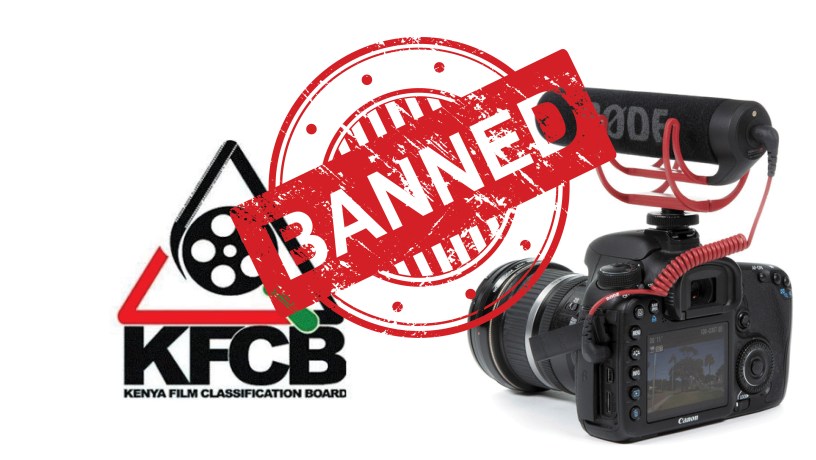
We are writing to express our strong objection to the recent directive requiring YouTube content creators to obtain a license akin to traditional terrestrial TV stations to upload content on YouTube. It is even worse that this is happening on Africa Day, when we should be supporting our homegrown creativity and cultural expressions! We are aware that such letters and directives have been issued to top creators such as Mwafreeka, Njugush, Abel Mutua, YY Comedian and dozens of others. This mandate is not only unreasonable and outdated but also represents a severe attempt to stifle and censor the vibrant, innovative community of online content creators.

Fundamental difference between traditional media and digital platforms
Unlike traditional mainstream TV stations, YouTube and other social media platforms are digital spaces where Kenyan content creators and YouTubers can freely express their creativity, opinions, and ideas. These platforms operate on the principle of democratizing content creation, allowing anyone with internet access to share their work without the barriers that traditional media impose. Imposing traditional licensing requirements on digital content creators disregards the fundamental nature of these platforms and their role in encouraging free expression and innovation.
What happens to free speech and innovation?
KFCB asking for licenses for YouTube content creators is a direct attack on freedom of speech in this country. The internet has been a place of free expression, allowing diverse voices to be heard without the heavy-handed control seen in traditional media. Licensing requirements could lead to censorship, with regulators such as KFCB or the Communication Authority of Kenya potentially controlling who can speak and what can be said. This not only stifles innovation but also hinders the dissemination of diverse viewpoints that are essential for a healthy, democratic society.

So now we do not want to create jobs in the creative economy & digital superhighway?
Many young Kenyan content creators rely on platforms like Tik Tok, Instagram and YouTube for their livelihood. Introducing licensing fees and regulatory barriers could disproportionately affect small creators, making it financially and logistically impossible for them to continue. We know how happy we got when Nairobi City allowed young photographers, videographers and Tiktokers to have fun in the middle of the city! In light of this, this backward action would reduce the diversity of content available online, concentrating power and influence in the hands of a few large entities that can afford to comply with such regulations. In 2024, the digital economy is a significant driver of growth and employment; hindering this sector could have far-reaching negative economic consequences.
Beyond Kenyan borders: technological and global context
KFCB’s demand for licensing is technologically and globally incongruent. Digital platforms operate in a borderless environment, and content from a creator in one country can be accessed by viewers worldwide. Imposing local licensing requirements on such a global phenomenon is impractical and fails to recognize the digital age’s realities. It places our Kenyan content creators at a disadvantage compared to their international peers, who do not face such restrictive regulations.

Let’s update the software-outdated regulatory approach
The regulatory framework that KFCB is trying to apply is based on a seriously outdated model designed for traditional media, which does not translate effectively to the dynamic and rapidly evolving digital landscape. Youtube, Tik Tok, Insta, Twitter and others are self-regulated through community guidelines and algorithms that can address issues such as harmful content more swiftly and efficiently than traditional regulatory bodies. Adapting these outdated regulations to digital platforms ignores the technological advancements and the unique ecosystem of online content creation.
As we come to terms with what KFCB has done, under the leadership of CPA Paskal Opiyo, the imposition of traditional TV station licensing requirements on YouTube content creators is an unreasonable and outdated approach that threatens to stifle creativity, innovation, and free expression. Our leaders and regulators must recognize the unique nature of digital platforms and develop a regulatory framework that supports, rather than hinders, the growth and diversity of online content.
We in Kenya’s creative industry urge KFCB and other players in this space to reconsider this directive and engage with content creators to develop fair and forward-thinking policies that reflect the realities of the digital age.
 Usanifu News (Kenya)