
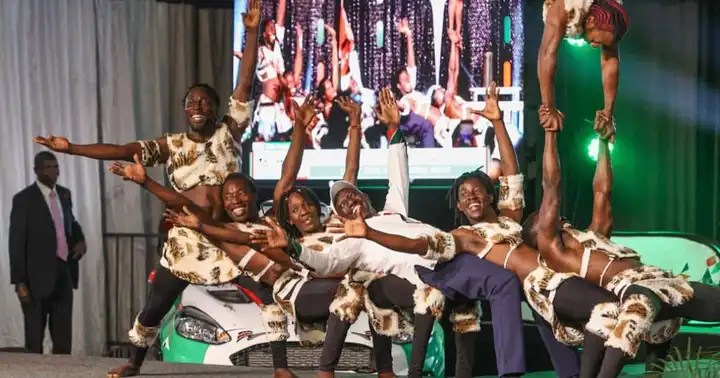
For decades, wasanii in Kenya sit on the sidelines, as clueless bystanders while people from other sectors manage their affairs. Sorry, mismanage their affairs. Government after government have promised to sort the mess, but we end up with excellent talk and zero action.
We are still waiting on the bag of promises from Kenya Kwanza, beyond dummy cheques under Talanta Hela, freedom to photographers in Nairobi CBD (excellent idea!) and taking Music Festival Winners to State House via a red carpet and buffets. I am talking about tangible reforms and support to let artists and creatives in this country THRIVE.

As I pen this article, I laugh, but its not funny. Because having been in various leadership positions in our creative sector (some of you say it’s an industry), I have seen meetings, forums, workshops, conferences and well-intended meetings since the 2000s. Genius ideas and proposals, saucy promises from bureaucrats, to broke but overly excited artists cheering and clapping at empty promises, plus beautiful photo ops and sumptuous lunches paid by government offices.
2024. We are at it again, and the big house that was ‘greeted’ by Gen-Zees has another bill to bring for public participation, with a new, young and energetic CS who is still getting his way around wasanii, as he gets busy with the obvious- sports. This Creative Economy Support Bill, 2024, should be a significant legislative proposal aimed at transforming the landscape of Kenya’s creative industry; if handled in the right manner.

For artists and creatives across the country, this Bill represents a vital step towards recognizing and enhancing the contribution of the creative economy to national development. The Bill seeks to address long-standing challenges in the sector by establishing structured support mechanisms, providing financial incentives, and fostering a more inclusive and sustainable creative environment.
One of the most crucial aspects of this Bill is the establishment of the Creative Industry Guild. This Guild is expected to serve as a central body (yet another one!) responsible for advising the government on policies affecting the creative industry. It will also play a key role in protecting the intellectual property rights of creatives, ensuring that they receive fair compensation for their work. Additionally, the Guild will facilitate the transparent distribution of royalties and work towards creating a more organized and supportive environment for all creative sectors, from music and film to fashion and graphic design.

We know that many of us are broke- we call it the broke artist syndrome. Therefore, for those of us seeking financial support, the Bill introduces the Creatives Fund. Forget not that we have The Sports, Arts and Social Development Fund.
Anyway, this ‘new’ fund is designed to provide grants and financial aid to eligible artists, particularly those under the age of 35 who have not previously benefited from government financial schemes. Furthermore, the Bill outlines plans for a credit guarantee scheme that aims to make financial resources more accessible to creatives, thereby supporting the growth and development of the industry. The proposed fiscal incentives, including tax breaks, are also a significant boost, offering creatives the financial relief necessary to thrive in a competitive market.

The Support Bill also puts much weight on the importance of capacity building and training for creatives. It proposes the creation of a platform that will provide information on available training programs, mentors, and intellectual property rights. This initiative aims to empower creatives with the knowledge and skills needed to navigate the industry successfully, whether they are looking to protect their work, enhance their business acumen, or innovate within their field.

Overall, the Creative Economy Support Bill promises to be a landmark piece of legislation, working towards revolutionizing the creative industry in Kenya. By offering structured support, financial incentives, and educational resources, the Bill paves the way for a more robust and dynamic creative economy. For Kenyan artists and creatives, this is an opportunity to engage with the legislative process, ensure their voices are heard, and help shape the future of the industry in a way that benefits all stakeholders.
After the first reading on 6th August 2024, the responsible Senate Committee (Trade, Industrialization and Tourism) is tasked to collect views from the Public by Friday 30th August 2024. The Senate Committee will also hold a public hearing on 2nd September in the Senate Chamber.
 Usanifu News (Kenya)