
A few years back, I flew a drone a few metres above a small plane, chatting with a pilot on radio in Tsavo National Park. I was covering the first ever National Wildlife Census for KWS. It was such a thrill. If you know drone restrictions, then you understand what I mean. Last year, we livestreamed the relocation of a huge donated airplane from JKIA to Mang’u high, 12 hours straight. I know speed, trust me.
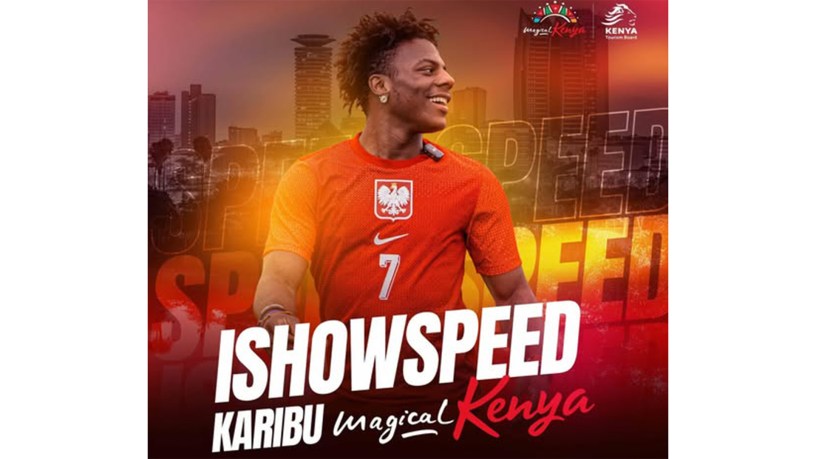
So when the YouTube sensation IShowSpeed was breaking the internet, I couldn’t help but feel a surge of excitement, and a touch of caution. The production was top top, the drone shots were epic, as his whirlwind visit to Kenya unfolded. Nairobi is likely to be his most memorable and epic part of his ambitious 28-day “Speed Does Africa” tour, a real-life adventure crisscrossing the continent.
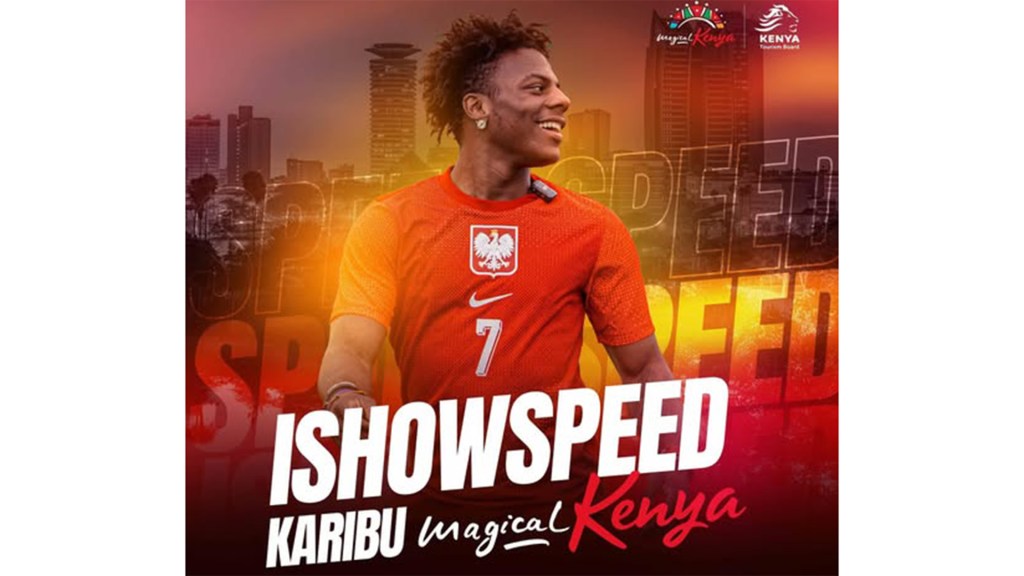
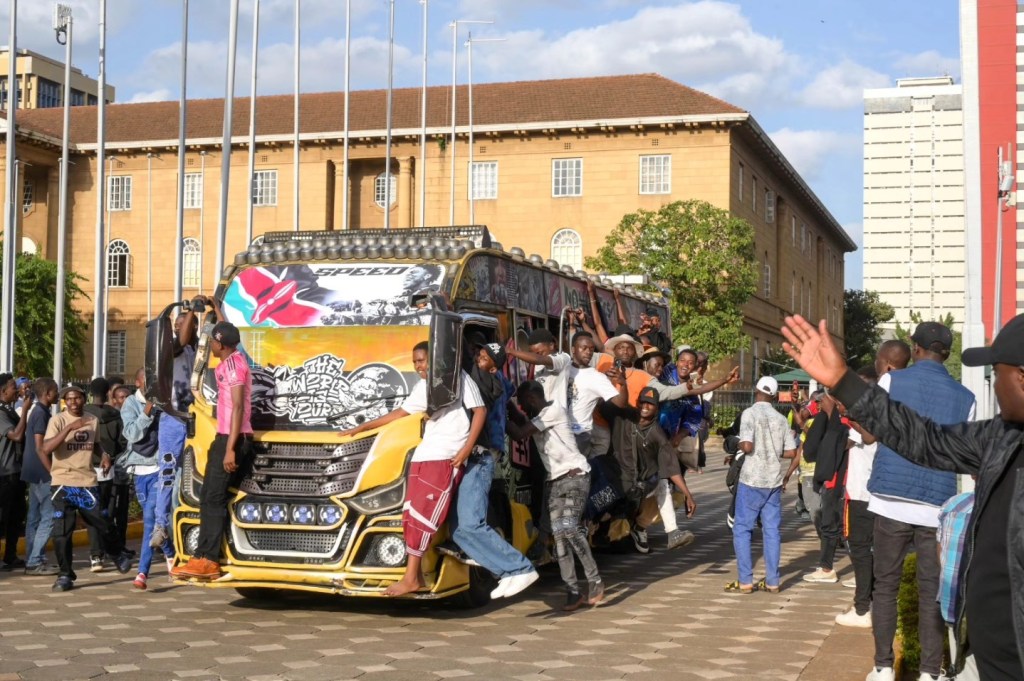
This isn’t just another celebrity performance; it’s a high-energy immersion into African cultures, starting with stops in Nigeria, South Africa, and Rwanda before hitting Nairobi streets for Nyamchom and Nganya madness. Speed, whose real name is Darren Jason Watkins Jr., was met with presidential fanfare. President Ruto himself welcomed him with a selfie video message, hailing Kenya as “a pulse, a feeling, home.”
Soon after, the day exploded: he visited Upper Hill School for a rugby showdown and javelin throws with Olympic champion Julius Yego, he kulad nyama choma at Kenyatta Market, wandered bustling markets, fed animals at a sanctuary (comparing Lions and his dog, surely), and even sampled ostrich and ox balls (aki He missed the Nyee Festival in Mwea). Crowds swelled to chaotic levels, shutting down Nairobi roads and requiring police escorts, all while his live stream shattered records with over 387,000 concurrent viewers and a staggering 360,000 new subscribers in a single day. It’s the kind of viral magic that reminds us why the Creator Economy is reshaping our world. For those unfamiliar, IShowSpeed is a 21-year-old YouTube powerhouse with 48 million subscribers and billions of views across his channels.

He burst onto the scene ten years ago with gaming content but evolved into a master of chaotic, high-octane live streams. Best known for over-the-top reactions, real-life adventures, collaborations with other content stars, and antics that blend humor, sports, and unfiltered energy. The kind of stuff that’s keeping our GenZ and Gen alpha especially, glued to screens.
His streams often feature him barking like a dog, pulling pranks, or diving into cultural experiences with infectious enthusiasm, drawing in a global audience hooked on his raw authenticity. Little wonder that Speed’s rise exemplifies how social media has birthed celebrities far beyond traditional spaces like music or acting. As a strong digital country, we know pretty well how YouTube, TikTok, and others have democratized fame, turning everyday creators into cultural icons.
Globally, the creative industries are booming: the creator economy alone was valued at around $205 billion in 2024 and is projected to skyrocket to over $1.3 trillion by 2033, growing at a compound annual rate of 23.3%. As the world slowly slides into an AI-driven world, we are smack in the middle of the astronomical rise of the Digital and Social Media boom, with content celebrities making millions just through likes, follows and subscriptions. We have seen content creators displaying mansions, cars and luxury holidays abroad. Some even flash cash and dollars made from content.
That’s not just growth, it’s a revolution! With revenues from social commerce expected to hit around 2 trillion USD by 2026 according to a recent report by Deloitte. What’s driving this? Direct fan monetization and brand partnerships.
These numbers beat many legacy sectors hands down, proving that content isn’t a hobby anymore; it’s a powerhouse economy. Speed’s fame and metrics, hitting 48 million subscribers amid his African tour, with Kenya delivering his biggest single-day boost, stand as a testament to the meteoric rise in opportunities and revenue within the Creator Economy.

His streams aren’t just entertainment; they’re economic engines, generating advertising revenue, sponsorships, and merchandise sales that dwarf the KTNs, Citizen TVs and NTVs. For us, where over 75% of our Kenyan population is under 35 and nearly a million young people enter the job market annually, this visit should spark more than memes. It should inspire action.
As a graphic designer and photographer who was sucked into the digital media and content vortex years ago, I see immense potential in harnessing our creative industry to monetize the talents of our massive youth demographic. Kenya’s creative sector already contributes about 5% to GDP, with digital natives driving innovation in film, music, dance, comedy and online content.
But to maximize this, we must invest strategically: programs like the National Youth Opportunities Towards Advancement (NYOTA) are steps forward, offering training and grants to build resilient careers. Yet, a core hurdle remains. Expanding fast internet connectivity beyond Nairobi. Rural and peri-urban areas lag, limiting seamless access to both platforms and audiences.
Boosting infrastructure through PPPs could unlock millions, or billions in creator incomes, empowering youth nationwide to turn passions into paychecks.

Famous for Being Famous
That said, let’s be firm. Speed’s spectacle highlights the pitfalls of misguided dreams. Too many young Kenyans chase the illusion of instant fame, wanting to be “famous for being famous” without building skills or knowledge. This random approach leads to burnout and failure. Instead, we need a structured path to sustainable careers in the creator economy, grounded in substance over superficial likes.
First, young creators should identify and build a unique niche rooted in our own Kenyan or Afrikan realities. Whether it’s sustainable fashion from local textiles, tech tutorials for small businesses, or storytelling that amplifies community or cultural issues or pop culture. This builds authenticity and loyal audiences, turning one-off virals into enduring brands.
Second, we must invest in continuous up-to-date learning. Mastering tools like editing software, SEO, and analytics through free online courses or local hubs in Nairobi, Mombasa, Eldoret, Kisumu and other major towns. As artists, we must appreciate that knowledge transforms hobbies into professions, ensuring content stands out in saturated feeds. Third, we MUST diversify income streams early. I can shout about this from the rooftops daily!
Creators must combine ad revenue with affiliate marketing, merchandise, and collaborations, rather than relying on fleeting algorithm boosts. 254 is a gig economy-no doubt. But with this, resilience is key, as seen in successful creators who partner with corporate brands. Fourth, we need to establish communities where mentorship will grow. That means content creators join networks like creative collectives or online forums to collaborate, share resources, and navigate challenges, creating ecosystems that support long-term growth beyond solo fame hunts.
Fame-First Fallacy
At the heart of these illusions lie false narratives ensnaring our youth. There’s the “Creator Economy Survivorship Bias,” where young content creators fixate on the 0.001% like Speed, with his millions of followers and lavish tours, assuming their overnight success is replicable. They ignore the 99.99% grinding in obscurity, facing algorithm changes, low earnings, and mental health strains.

Then there’s “Parasocial Fame Aspiration,” that one-sided bond viewers form with creators, mistaking polished highlight reels for reality. Speed’s energetic streams seem effortless, but they mask grueling hours, teams, re-takes and risks. This leads youth to chase unattainable glamour without grasping the grind. Leaders in this sector need to urge the youth: aspire high, but build smart.
Kenya’s creator economy isn’t Odi Bets or SportPesa. It’s not a lottery. It’s a canvas for skilled, strategic creators to paint prosperous futures. Speed’s visit isn’t just entertainment but it’s a call to action. Let’s seize it, youth of Kenya, and craft legacies that endure.


This piece of information is super timely and very informative. Thank you.
LikeLike