
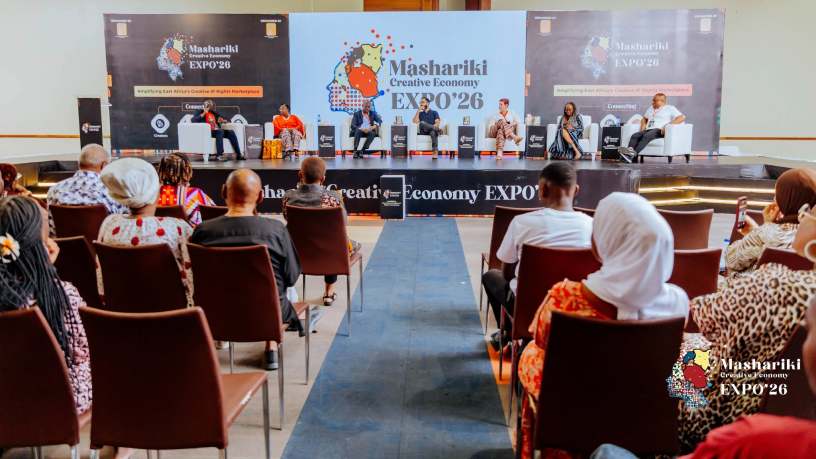
From 18–21 August 2026, creatives from Kenya, Tanzania, Uganda and across East Africa gathered at Mlimani City Conference Centre in Dar es Salaam for the second Mashariki Creative Economy Expo. Organised by Culture and Development East Africa (CDEA), the event built directly on the inaugural 2025 edition (14–16 August), shifting focus from a broad showcase to a practical marketplace for trading creative intellectual property.
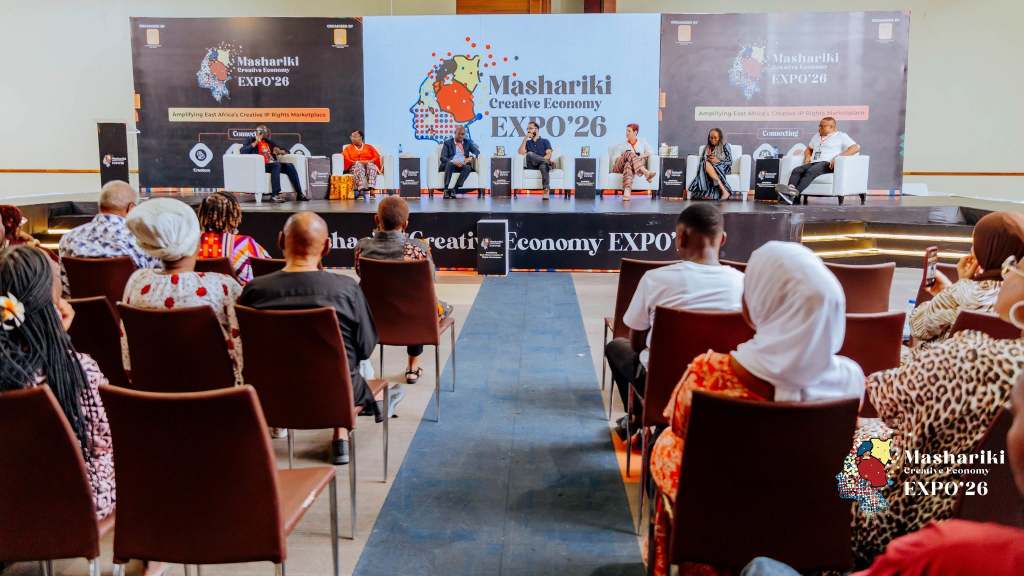
This year’s theme centred on “Amplifying East Africa’s Creative IP Marketplace.” Four pillars drove the programme: Film IP Rights Trading, African Heritage Interior Design & Resale Rights, Music Licensing for Sports Tournaments, and Trading in Rights for Literary Storytellers. For Kenyan filmmakers, musicians, visual artists, designers and writers, the message was clear: creativity must move beyond passion projects into structured deals, licensing and investment-ready assets.
A major highlight came on Day 1 with the formal handover of the validated draft EAC Film and Audiovisual Co-Production Treaty and Green Paper to EAC Deputy Secretary General Andrea Aguer Ariik Malueth. Kenya Film Commission CEO Timothy Owase, who served on the task force, presented Kenya’s co-production experience and stressed that regional collaboration multiplies talent, resources and market reach.
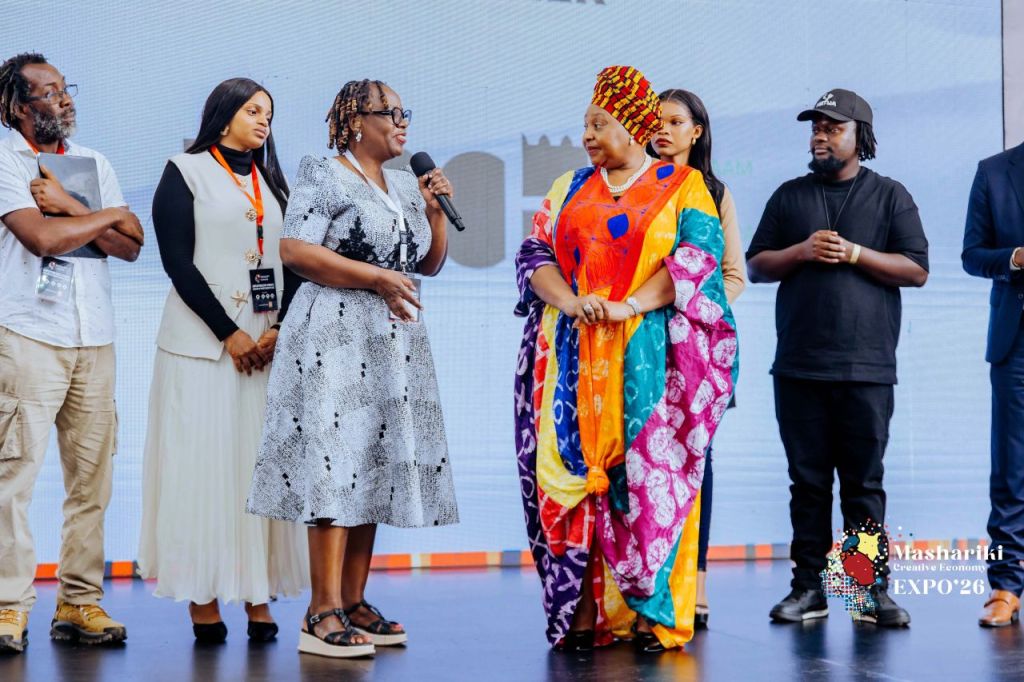
“East Africa has immense storytelling potential, but for our audiovisual industry to compete globally, we must begin thinking beyond our individual national markets,” he said. The draft aims to ease cross-border productions by addressing regulatory differences and creating a more predictable environment. Implementation now moves to national ministries and EAC institutions.
Other concrete steps included the launch of the Copyright Friendly Label (CFL) for sports tournaments, music IP licensing clinics, producer-buyer matchmaking, and a working group on valuing and securitising literary works.
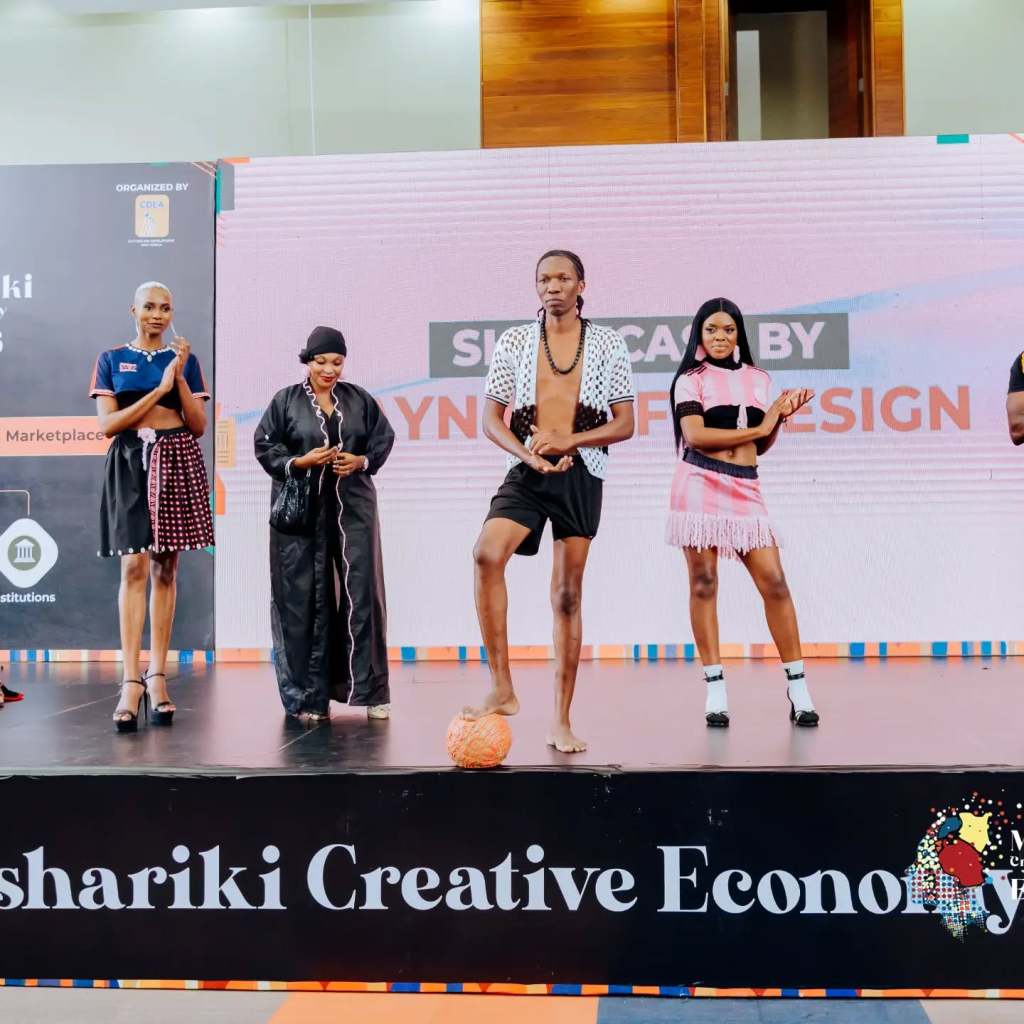
Masterclasses covered finance structuring (led by HEVA Fund’s George Gachara), film, music, fashion and publishing rights. Deal rooms, the Mashariki Rights Lounge and investor sessions gave creators direct access to buyers and funders. Side events kept energy high: networking at Samaki Samaki Restaurant, Docubox Shorts, Shorts & Shots at Nafasi Art Space, and a cocktail with fashion showcase.
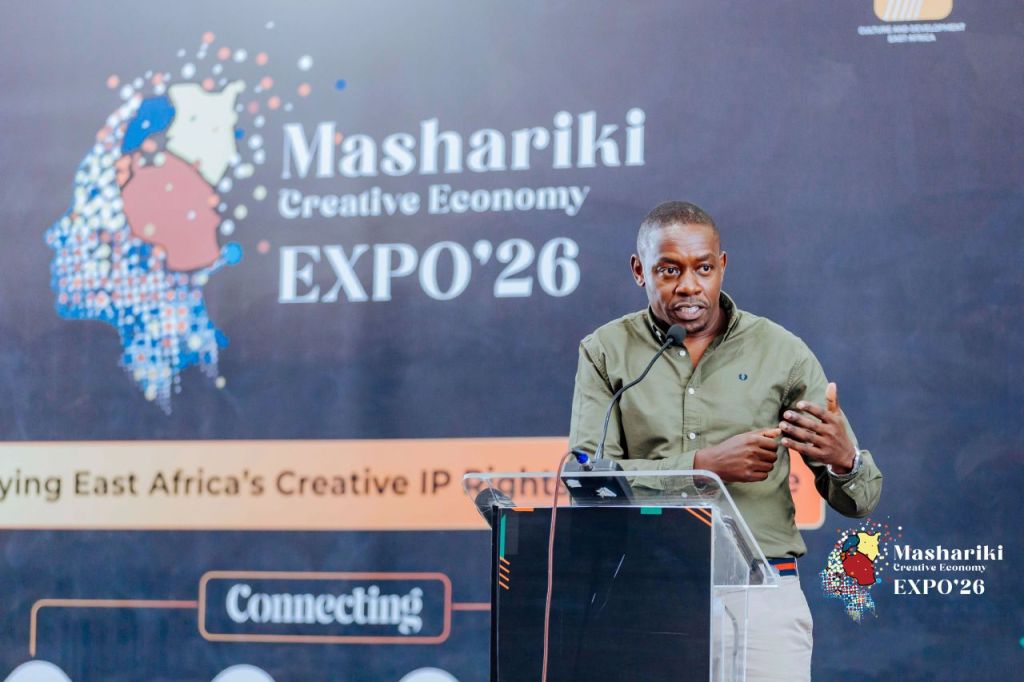
On the closing evening, the Trade in Book Rights Networking Gala brought writers, publishers and rights buyers together to turn East African stories into tradable assets. The gathering focused on practical deal-making around translation, audio, reprint, digital and screen-adaptation rights rather than trophies, giving Kenyan and regional authors a direct platform to pitch and negotiate as the Expo underscored that literary IP, like film and music, is ready for the marketplace.
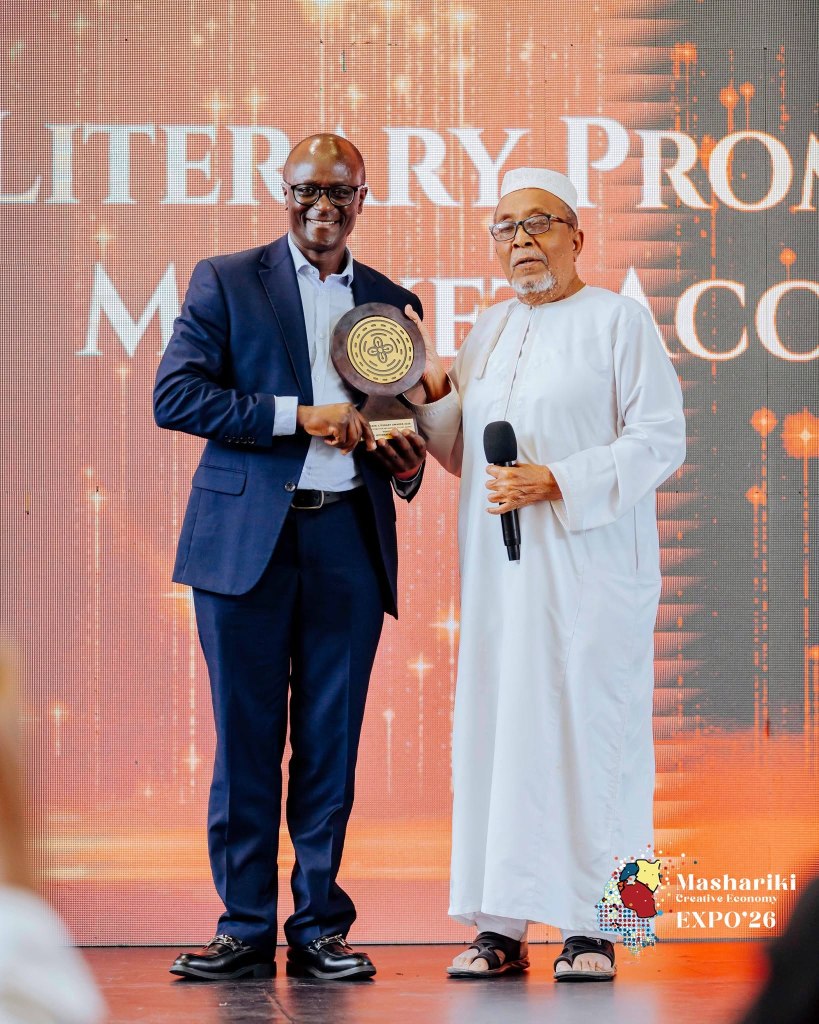
For us Kenyan and East African artists, the Expo underscored practical next steps: protect and register your IP, prepare pitch-ready packages, explore co-productions, and treat rights as tradable assets. Access to capital remains a barrier, but platforms like HEVA and regional policy progress offer pathways. The inaugural 2025 event proved the concept while this 2026 proved the market can function.
 Usanifu News (Kenya)