
Nairobi is set to host the first-ever Pan-African Biennale (PAB), marking a pivotal shift in how spatial design, creative culture, and urban futures are authored across the continent. Scheduled for September 7 to 11, 2026, the landmark multi-venue gathering brings together architects, visual artists, material practitioners, and spatial thinkers from across all fifty-four African nations and the diaspora.
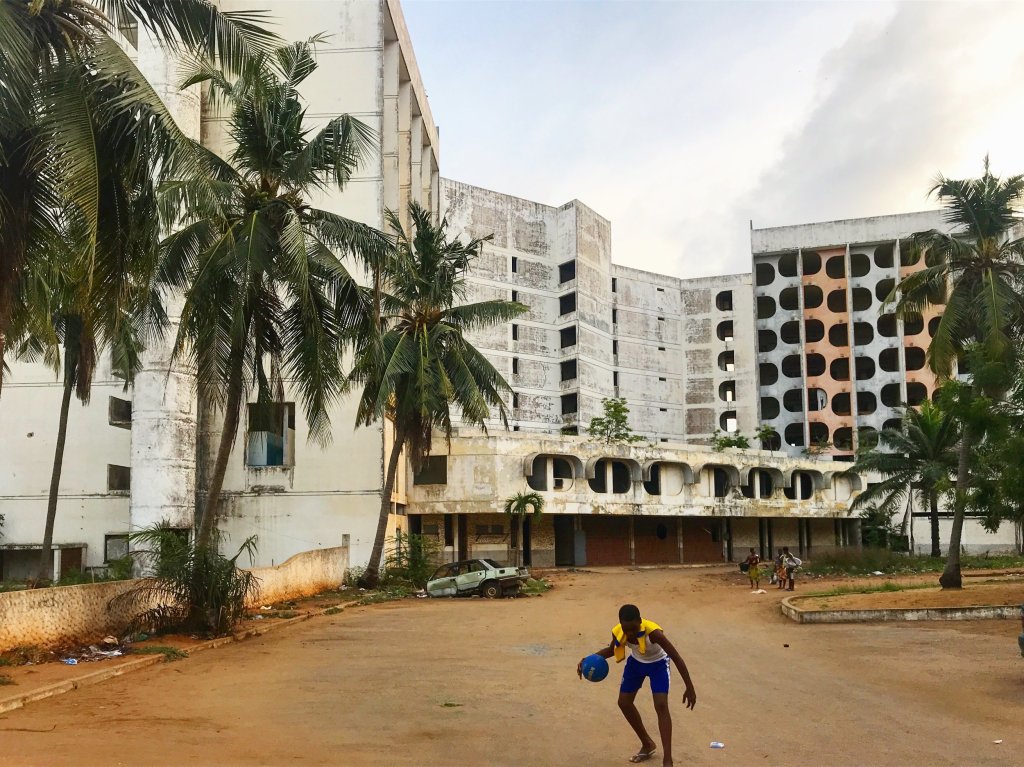
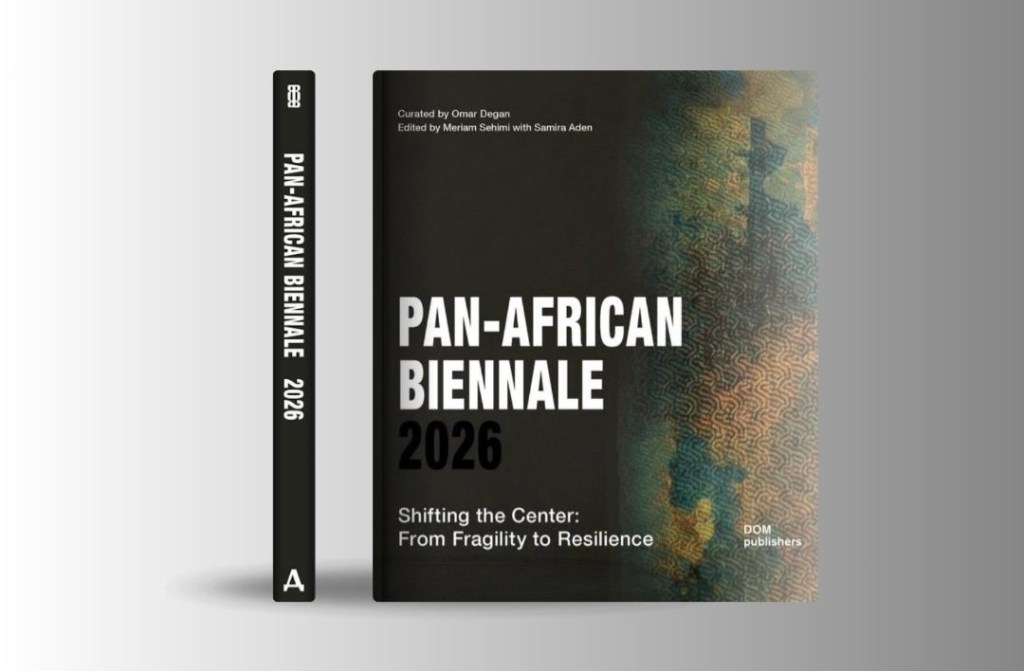
Supported by the Architectural Association of Kenya and directed by Somali-Italian architect Omar Degan, the event is organized around the overarching curatorial framework Shifting the Center: From Fragility to Resilience. The initiative framing positions Africa not merely as an observer or subject within global discourse, but as the active author of its own spatial and cultural paradigms.
For our local creative ecosystem, spanning visual artists, spatial researchers, urban planners, and independent designers, the Pan-African Biennale offers unprecedented access to a permanent, continent-led institutional platform. Historically, major global events celebrating African spatial intelligence, most notably the Venice Architecture Biennale, have been curated and hosted on foreign soil.
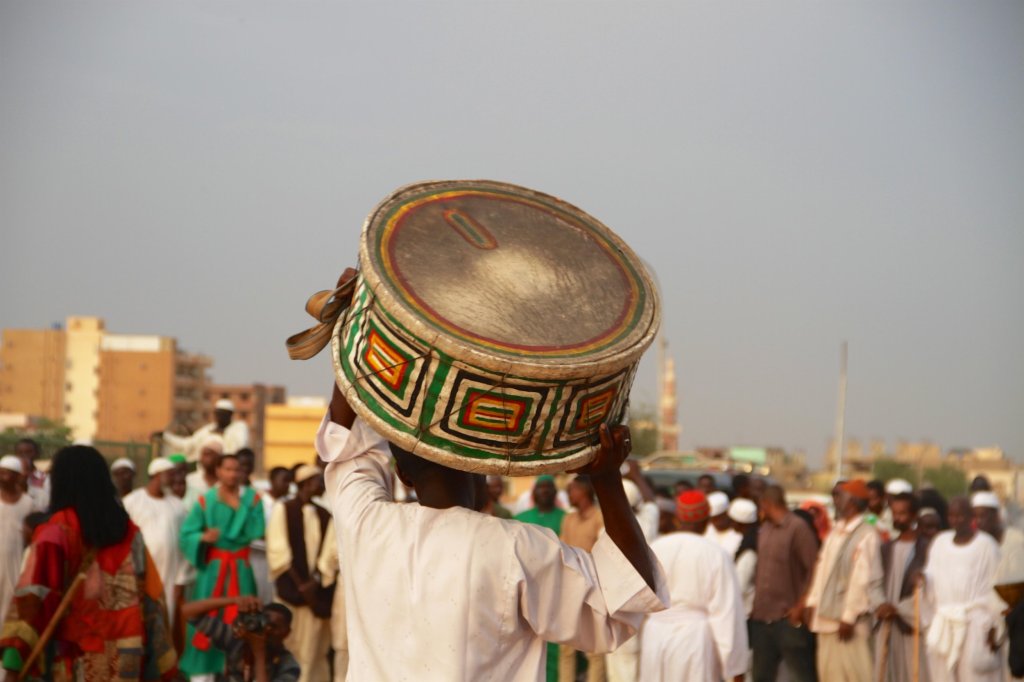
By bringing this movement directly to Nairobi, the Biennale establishes direct access to cross-continental collaboration, mentorship, and global visibility without the logistical barriers and geopolitical friction of traveling abroad. Local practitioners have a rare opportunity to engage with international peers on native ground, ensuring local realities directly inform the broader narrative.
Decentralized Curation and Citywide Engagement
The five-day program approaches Nairobi’s built landscape as an active laboratory rather than a passive backdrop. The curatorial agenda addresses critical thematic strands, including climate resilience, vernacular intelligence, and Afrofuturistic digital technologies. Instead of relying on imported models, the event centers inherited building knowledge, circular material systems, and community-driven design practices.
Through these lenses, the Biennale explores how indigenous practices and localized creative responses navigate urbanization, resource constraints, and environmental justice across African context.
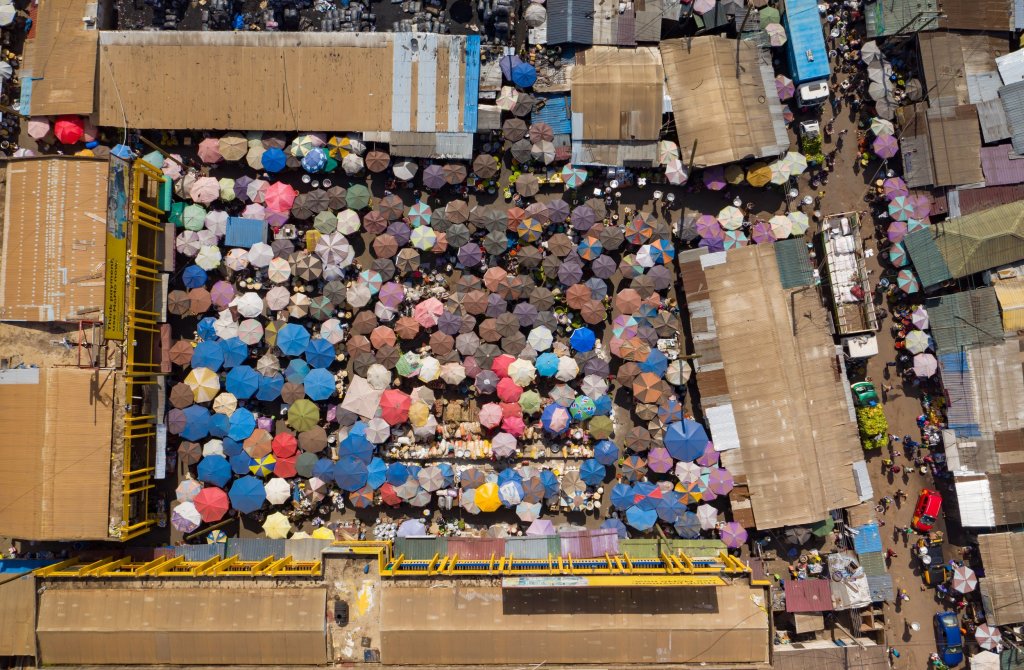
Events open at the Kenyatta International Convention Centre (KICC), an iconic symbol of post-colonial civic ambition, before radiating out into a decentralized citywide network. The programming spans institutional galleries, open-air installations, and key cultural hotspots across the capital.
Independent spaces like Unseen Nairobi will host specialized film screenings and panel discussions, while local architecture practices and design studios open their doors for public encounters, workshops, and studio visits. This distributed format guarantees that the event engages directly with the lived fabric of the city.
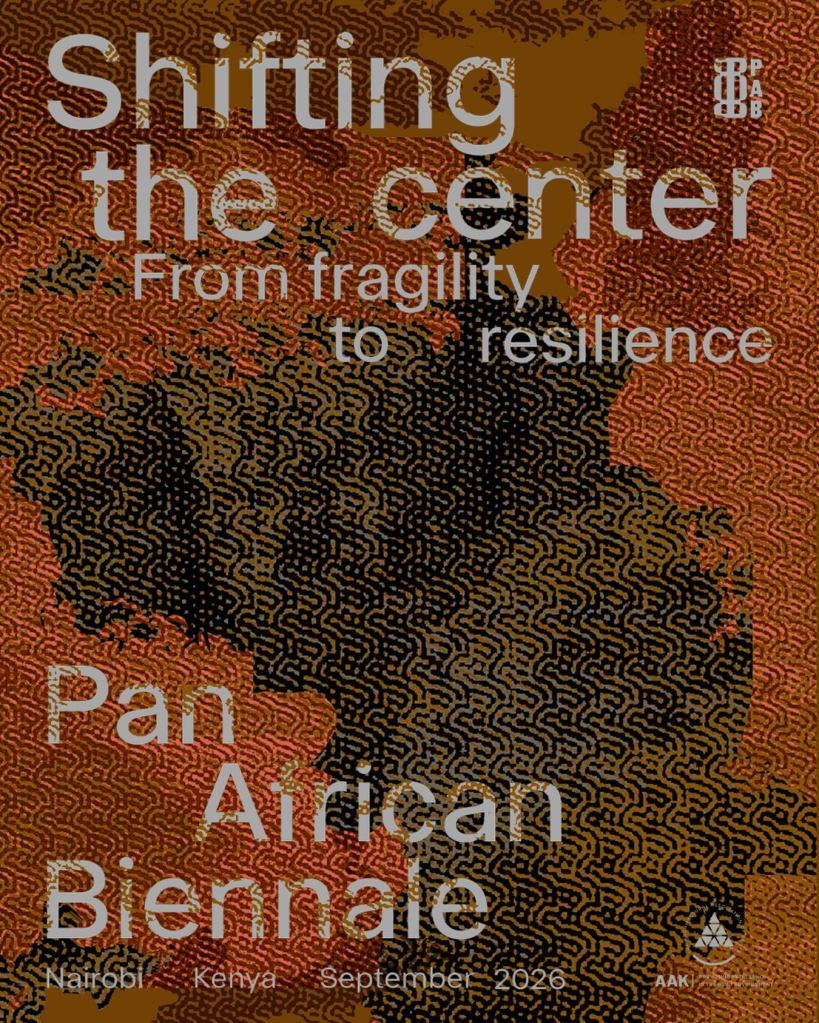
As the Biennale prepares to rotate through different host cities every two years, this inaugural Nairobi edition sets a historic benchmark for the region’s artistic ecosystem. Free general admission exhibition access ensures that students, emerging creatives, and the general public can participate fully in the movement. Local artists and cultural workers looking to attend sessions, review open calls, or explore the complete satellite venue schedule can access full details online at panafricanbiennale.org.
 Usanifu News (Kenya)